Unlock Unique Benefits and Powerful Outcomes
This section briefly summarizes the core benefits and unique value of our products/services.

This is a benefit item 1
This is the 1st benefit description, explaining its value and importance while highlighting how it positively impacts users and enhances overall experience.

This is a benefit item 2
This is the 2nd benefit description, emphasizing its significance and demonstrating how it contributes to achieving better outcomes in various situations.

This is a benefit item 3
This is the 3rd benefit description, outlining its advantages and how it adds meaningful improvements without focusing on specific use cases.
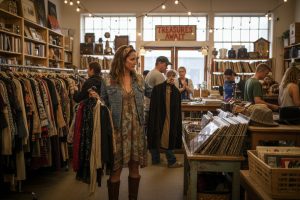
Walk into any thrift store and most shoppers will see shelves full of random household goods, used clothing, old décor, and forgotten items.
Successful thrifters often see something very different.
They see opportunity.
Where others see clutter, experienced treasure hunters recognize brands, quality materials, rare patterns, collectibles, and hidden resale value. They understand that many profitable finds do not look expensive at first glance.
That is why some people leave thrift stores empty-handed, while others walk out with items worth far more than the price tag.
They Look Beyond Appearance
One of the biggest mistakes new shoppers make is judging items too quickly.
Dusty, outdated, or slightly worn pieces are often ignored. But successful thrifters know appearance can be misleading.
An old lamp may be vintage. A faded jacket may be a desirable brand. A plain-looking bowl may be collectible. A scratched wooden chair may be solid hardwood worth restoring.
They ask:
- Is it well made?
- Is it branded?
- Is it vintage?
- Is it rare?
- Can it be cleaned or repaired easily?
Sometimes value hides beneath surface imperfections.
They Learn Brands and Labels
Top thrifters often train themselves to recognize valuable names quickly.
This can include:
- Designer clothing labels
- Premium cookware brands
- Collectible toy makers
- Quality tool manufacturers
- Vintage electronics brands
- Popular shoe companies
A recognizable label can turn an ordinary item into a smart buy.
They Check Materials and Craftsmanship
Experienced thrifters know cheap items usually feel cheap.
They often look for:
- Real leather instead of synthetic
- Solid wood instead of particle board
- Heavy glass or crystal
- Quality stitching on clothing
- Handmade details
- Metal hardware instead of plastic
Quality materials often signal higher value and stronger resale demand.
They Search in Overlooked Sections
Many shoppers rush to clothing racks or obvious displays.
- Kitchen shelves
- Tool bins
- Picture frames
- Linen sections
- Electronics corners
- Toy bins
- Book shelves
- Miscellaneous baskets
Some of the best finds happen where fewer people are looking.
They Understand Trends and Demand
Value is not only about age.
Successful thrifters watch what buyers currently want:
- Vintage home décor
- Mid-century furniture
- Retro gaming items
- Collectible glassware
- Brand-name sneakers
- Y2K fashion
- Seasonal décor
Knowing demand helps them buy items that can sell faster.
They Inspect Carefully
Before buying, smart thrifters check:
- Chips or cracks
- Missing parts
- Zippers and buttons
- Power cords
- Odors or stains
- Excessive wear
Even a valuable item may not be worth buying if damage is severe.
They Stay Patient
Many beginners expect every trip to produce treasure.
Experienced thrifters know success comes from consistency. Some visits produce nothing. Others produce multiple profitable finds.
Patience is part of the skill.
Where Flip n Profit Helps
Even sharp-eyed shoppers cannot know every brand or item value instantly.
That is where Flip n Profit can help. With a quick photo, users can analyze finds, estimate resale value, and make smarter buying decisions on the spot.
Instead of guessing, you gain another layer of confidence while shopping.
Quick Habits of Successful Thrifters
- Scan shelves slowly
- Touch and inspect items
- Learn labels and brands
- Check overlooked aisles
- Think resale potential
- Stay disciplined on price
- Visit consistently
Final Thoughts
Successful thrifters are not always luckier than everyone else.
Often, they have simply trained themselves to notice what others overlook.
The next time you walk through a thrift store, slow down and look closer.
What someone else passes by might be your next hidden gem.